


Many homeowners who notice a leak or a few missing pieces in their roof wonder what comes next. Is a simple fix enough, or does the whole roof need to come off?
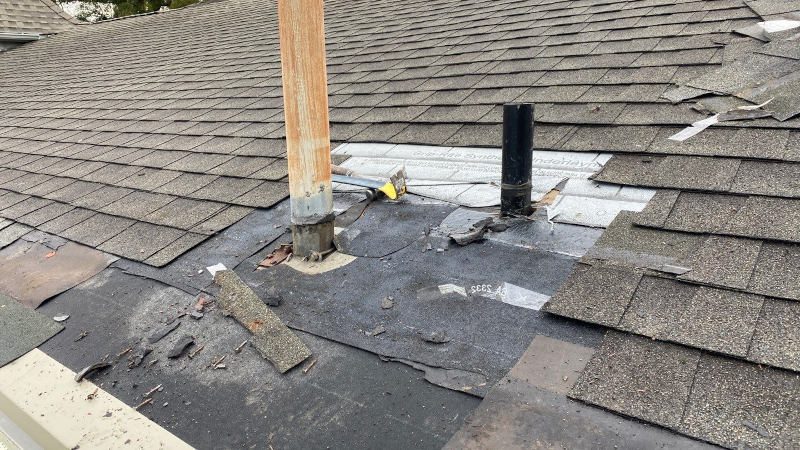
Here are some common signs that mean roof repair may be an option as opposed to a full roof replacement:
- One or two cracked or missing shingles or slates
- A single leak in a small area
- Damaged flashing around a chimney, vent, or skylight
- Limited storm damage in one section
These problems are often a fairly simple fix without the need to replace the entire roof. A careful patch that follows proper methods can stop water and protect the rest of the surface for years.
Full roof replacement usually makes more sense when you see bigger issues, such as:
- The roof is near or past its normal lifespan
- Widespread curling, missing pieces, or heavy wear
- Leaks appearing in several different spots
- Soft decking or a sagging roofline
In these cases, repeated patches can end up costing more over time than starting fresh. The difference often comes down to the details. A solid roof repair done the right way can extend the life of a still-sound roof. But if the problems run deep, you may need to address the whole surface so it lasts longer and keeps performing well.
Baltimore weather, from wind and ice to heavy rain, puts every roof to the test. A close look at the condition of your roof by a qualified roofing contractor will give you all the information you need to make the right choice. When the work is handled properly, either a well-done roof repair or a full replacement gives your home the lasting protection it needs.